ExclusiveInvestigationsInvestigationCycle Rickshaw
October 1959: When Cycle Rickshaws Were Banned in Karachi
The government believed that banning cycle rickshaws would not significantly affect the availability of transport

Karachi, known by many names — the Bride of the Cities, the City of Lights, a city that welcomes the poor, the economic hub, and Mini Pakistan — has witnessed many different eras in its history.
October 1959 was a significant month in Karachi’s history. That year, as the first batch of federal government employees transferred following the end of Karachi’s status as the federal capital departed for Islamabad, the federal government under General Ayub Khan made another major decision concerning the city.
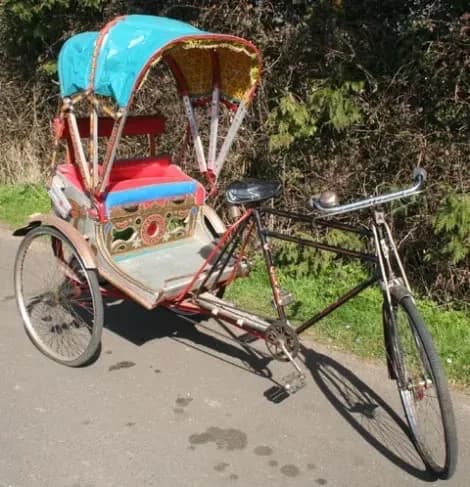
Cycle rickshaws in Karachi
Cycle rickshaws had been operating as a form of public transport in Karachi since 1948. These rickshaws offered an inexpensive means of transportation for two to three passengers and were propelled by drivers through their own physical effort. Their numbers had been increasing alongside the city’s growing population.
The ban announced
On October 22, an official announcement stated that the Government of Pakistan had decided to ban cycle rickshaws in Karachi with effect from April 1, 1960. The registration of new cycle rickshaws was being discontinued, while those that had not yet been registered would be taken off the roads altogether. The government also announced that it would assess alternative employment opportunities for rickshaw drivers who would lose their livelihoods, and that a survey had already been initiated for this purpose.
The announcement revealed that a survey conducted earlier that year had estimated that approximately 15,000 cycle rickshaws were operating in Karachi, of which only 9,000 had been issued licences.
A press release issued by the Transport Division of the Ministry of Railways and Communications stated that, according to expert opinions from health and social welfare authorities, pulling a rickshaw was not only an inhumane occupation but also harmful to the health of the drivers. In addition, cycle rickshaws were considered an obstruction to the flow of traffic.
The government believed that banning cycle rickshaws would not significantly affect the availability of transport, as the number of buses operated by the Karachi Road Transport Corporation and taxis was expected to increase by the time the rickshaws were withdrawn from service. As for the drivers who would become unemployed, the government argued that Karachi had a demand for unskilled labour and that absorbing the displaced workers into the city’s workforce would not pose any particular difficulty.
The ban enforced
Despite the shortage of public transport, the government began strictly enforcing the ban in April 1960. The prohibition was subsequently extended, in stages, to other parts of the country.
Half a century later
Interestingly, more than half a century after cycle rickshaws were banned in Pakistan, these human-powered vehicles are still in use in several parts of India and Bangladesh.
What is truly regrettable is that cycle rickshaws were banned more than half a century ago in the hope of providing Karachi with a modern transport system. The tragedy, however, is that the city’s development has been so severely stalled that its residents are now deprived not only of modern public transport but even of an adequate transport system. The level of government apathy is such that there are no signs of any meaningful improvement in the foreseeable future.
- Cycle rickshaws had been operating as a form of public transport in Karachi since 1948
- Around 15,000 cycle rickshaws were operating in Karachi, but only 9,000 had been issued licenses
- Government apathy has left little hope for any meaningful improvement in the foreseeable future
Join the discussion
No comments yet. Be the first to weigh in.
Sources
- DocumentSaleemullah Siddiqui
Read next
Related coverage

Pakistan
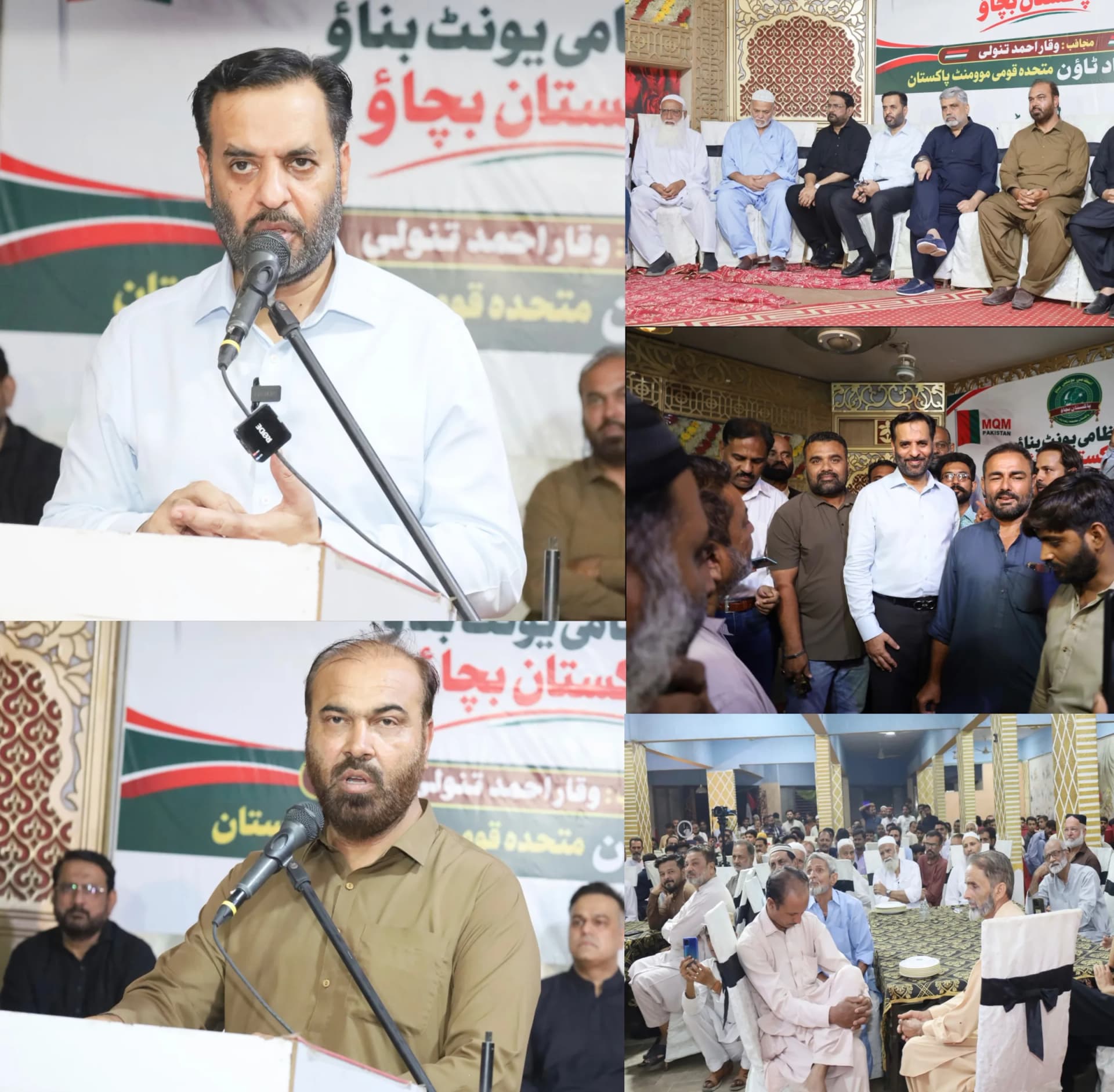
Pakistan Cannot Continue Under Existing System, Syed Mustafa Kamal Says
Pakistan
Renowned Fashion Designer HSY to Design PIA’s New Uniforms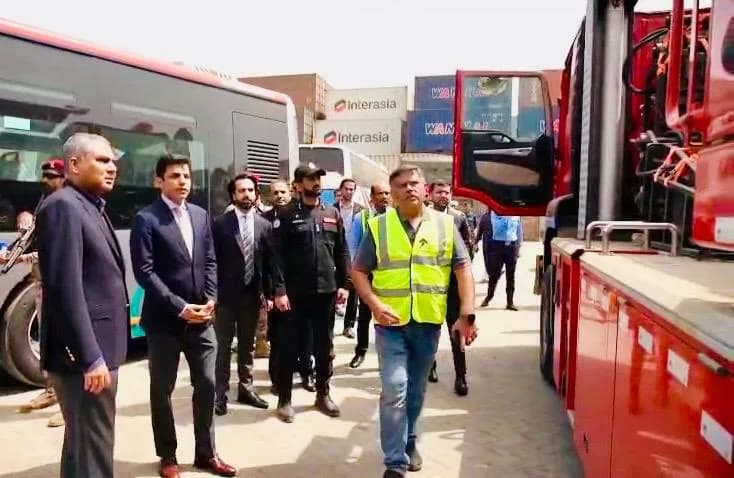
Pakistan
Islamabad Emergency Service Handled 1,475 Calls in September as New Fire Fleet Arrives From China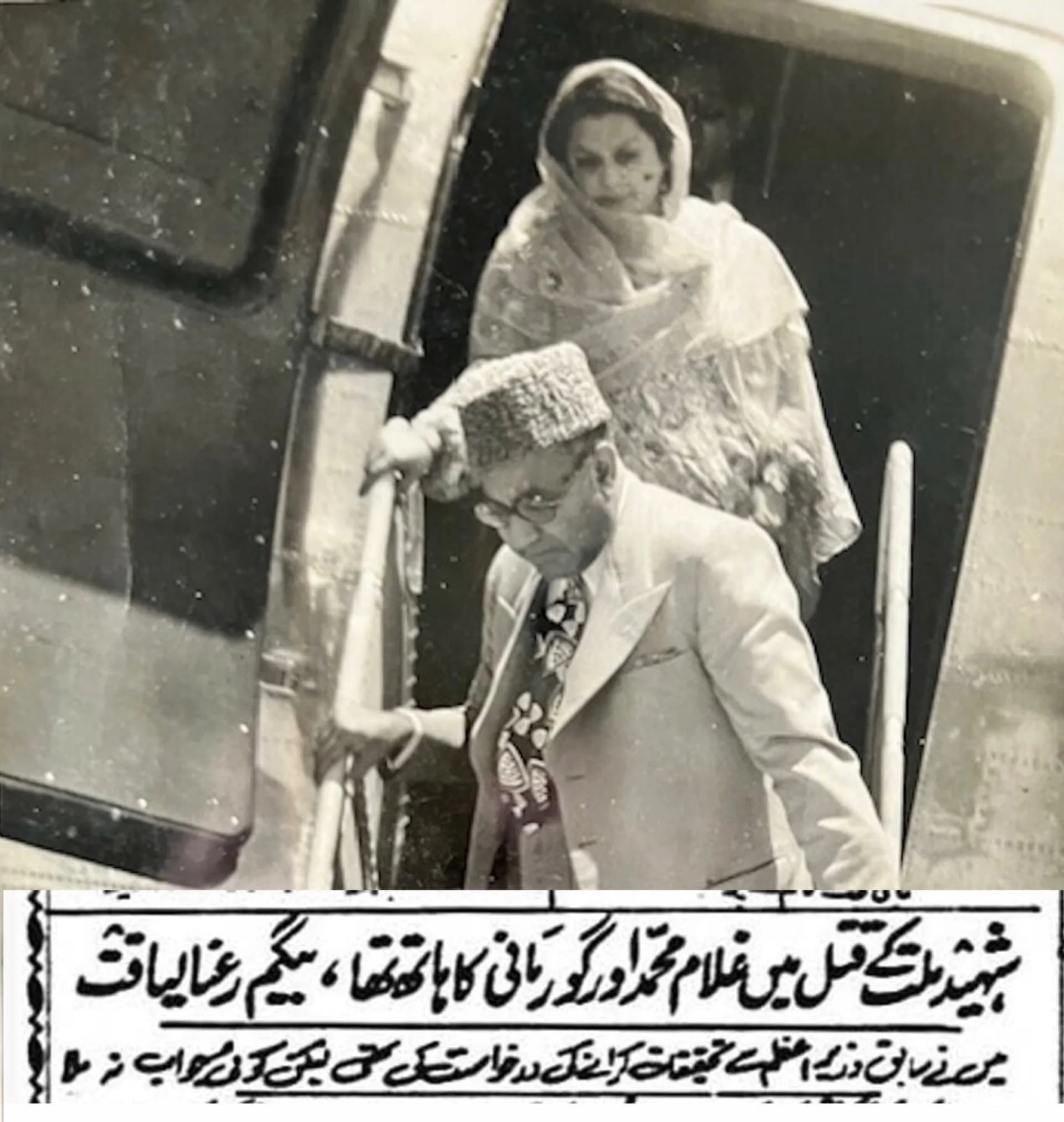
ExclusiveInvestigations
Liaquat Ali Khan’s Assassination: Begum Rana Liaquat Alleges Ghulam Muhammad and Mushtaq Gurmani Were Involved
Latest
Lifestyle & Society
The Vespa Scooter: A Ride, a Journey Through an EraPakistan
President Zardari Meets Mohsin Naqvi; New Provinces Also DiscussedEXCLUSIVEEducation
Retired Faculty of Federal Urdu University Forced to Approach Courts for Pension Dues; Why Is Federal Education Minister Khalid Maqbool Siddiqui Silent?Pakistan
Has Khalid Maqbool Siddiqui Lost the Chairmanship of MQM-Pakistan?Business
Karachi Police Assures Traders of Full Cooperation in Ensuring Their Security and Resolving Issues: Additional IG
More from Investigations